


WHY DRIP EMAIL EXAMPLES MATTER FOR YOUR BUSINESS GROWTH
DRIP EMAIL EXAMPLES SHOWCASE HOW AUTOMATED EMAIL SEQUENCES CAN TRANSFORM YOUR MARKETING RESULTS. THESE STRATEGIC CAMPAIGNS DELIVER THE RIGHT MESSAGE AT THE RIGHT TIME, NURTURING LEADS AND DRIVING CONVERSIONS THROUGH CAREFULLY TIMED TOUCHPOINTS.
The numbers speak for themselves: drip campaigns generate two to three times higher performance than bulk emails, and email marketing delivers an average return of $36 for every $1 spent. Cart abandonment emails, a key type of drip campaign, see open rates above 40%—nearly double the average.
If you’re wondering how to create email sequences that convert, you’re in the right place. Successful drip campaigns follow proven patterns you can adapt for your business.
I’m Magee Clegg, founder and CEO of Cleartail Marketing. We’ve helped over 90 B2B companies grow with cost-effective marketing, including highly effective drip email examples and campaigns that have generated up to 5,000% ROI.
Learn more about Drip email examples:
What is a Drip Campaign and Why Does Your Business Need One?
Before diving into inspiring drip email examples, let’s define what makes these campaigns so effective.
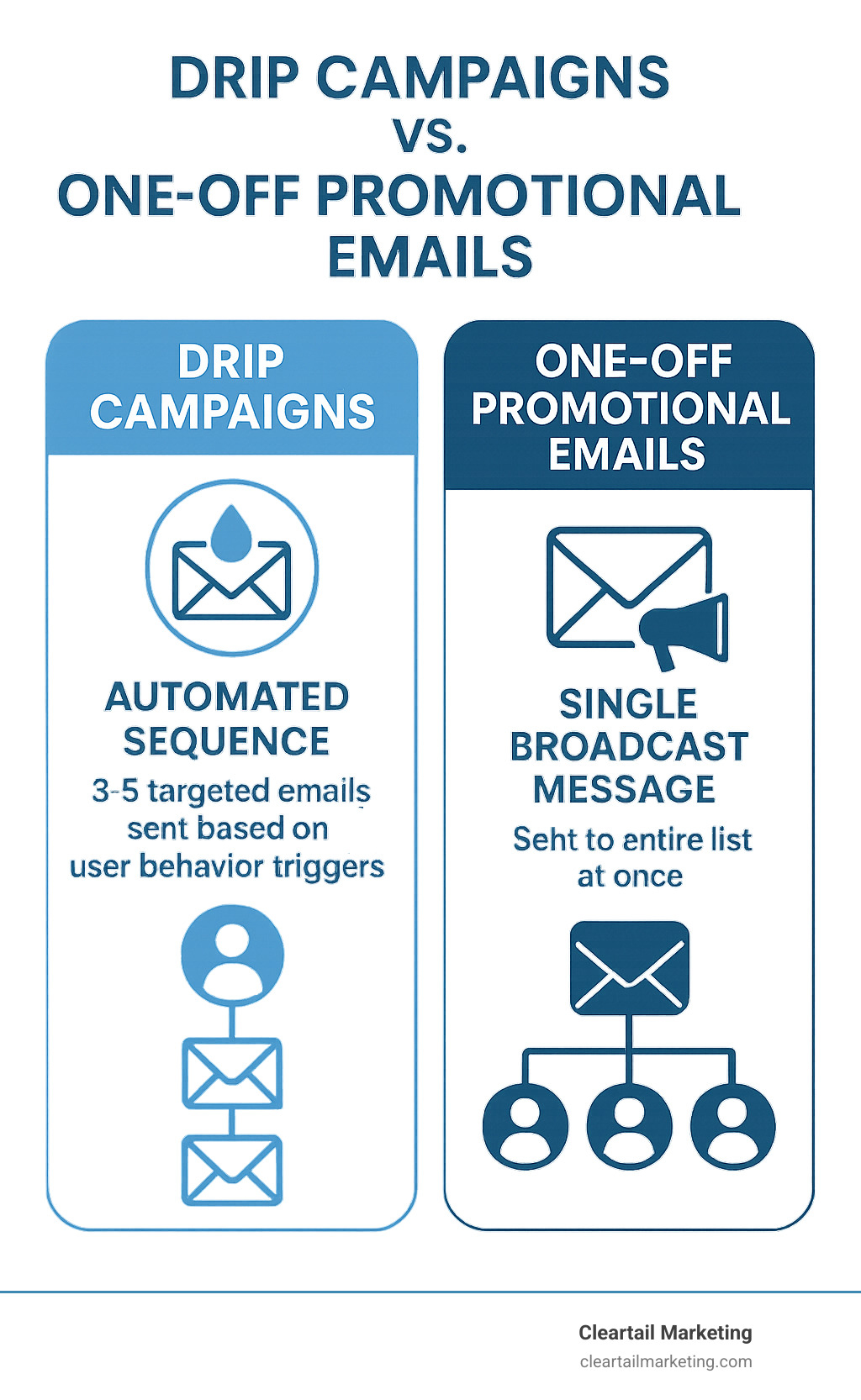
A drip campaign is a series of automated emails sent to subscribers based on specific actions—like signing up for a newsletter or abandoning a cart. Unlike regular newsletters sent to everyone at once, drip emails are triggered by user behavior and delivered at timed intervals. This automated, personalized approach ensures your message is always relevant.
How Marketing Automation Makes It All Work
The magic happens through marketing automation triggers. When someone takes a specific action—like downloading your free guide—a crafted sequence of emails starts rolling out automatically. These timed sequences ensure your message reaches people when they’re most likely to care.
The Benefits That Actually Move the Needle
Drip campaigns are essential for growing your business. Here’s why:
- Increased Engagement: Drip campaigns feel personal and relevant, speaking directly to a subscriber’s journey. This leads to much higher open and click-through rates than generic newsletters.
- Time-Saving Automation: Set it up once and let it run. Your drip campaign handles follow-ups automatically, freeing you to focus on bigger-picture strategy.
- Effortless Lead Nurturing: Guide prospects with a logical sequence of valuable content, staying top-of-mind and building trust with every email.
- Brand Consistency: Ensure every subscriber receives the same high-quality, on-brand experience, strengthening your reputation and building loyalty.
Here’s the number that really matters: drip campaigns generate two to three times higher performance than bulk emails. We’re talking about real results that show up in your bottom line.
For more detailed insights into how this all works, check out our guide on what are drip email campaigns.
| Drip Campaign Type | Goal | Trigger | Typical Length |
|---|---|---|---|
| Welcome Series | Introduce brand, onboard new subscribers | New signup, first interaction | 3-5 emails over 1 week |
| Abandoned Cart | Recover lost sales, encourage completion | Items left in shopping cart | 2-3 emails over 3 days |
| Re-engagement | Win back inactive subscribers | No recent engagement (e.g., 60-90 days) | 6-8 emails over 3 months |
| Post-Purchase | Build loyalty, gather feedback, upsell | Completed purchase | 1-2 emails over 30 days |
| Onboarding | Guide new users, drive product adoption | Product signup, trial activation | Varies, often 4-11 emails |
The beauty of drip campaigns is their versatility. Whether you’re welcoming new subscribers or recovering abandoned carts, there’s a sequence that fits your specific business goals.
12 Powerful Drip Email Examples to Inspire Your Next Campaign
Ready to see drip email examples in action? I’ve gathered some of the most effective campaigns from companies that truly understand how to nurture their audience. These real-world examples showcase different stages of the customer journey and offer valuable insights for your own marketing.
1. The Welcome Series: Making a Great First Impression

Your welcome series is your first handshake—it sets the tone for the entire relationship. The best drip email examples in this category onboard new subscribers, introduce the brand, and build genuine connections.
Framebridge nails this by explaining its custom framing service clearly and showcasing product categories, acting as a friendly guide. Instead of a hard sell, they focus on making new subscribers feel comfortable.
Data shows the power of a strong welcome: Island Olive Oil’s welcome series generates an incredible 39% of their total email marketing revenue from just 1.22% of their email sends. This highlights the immense ROI of a well-crafted first impression.
The key lesson is to provide immediate value and guide subscribers to their next step. For more insights, see our guide on email marketing strategy.
2. The Abandoned Cart Series: Recovering Lost Revenue
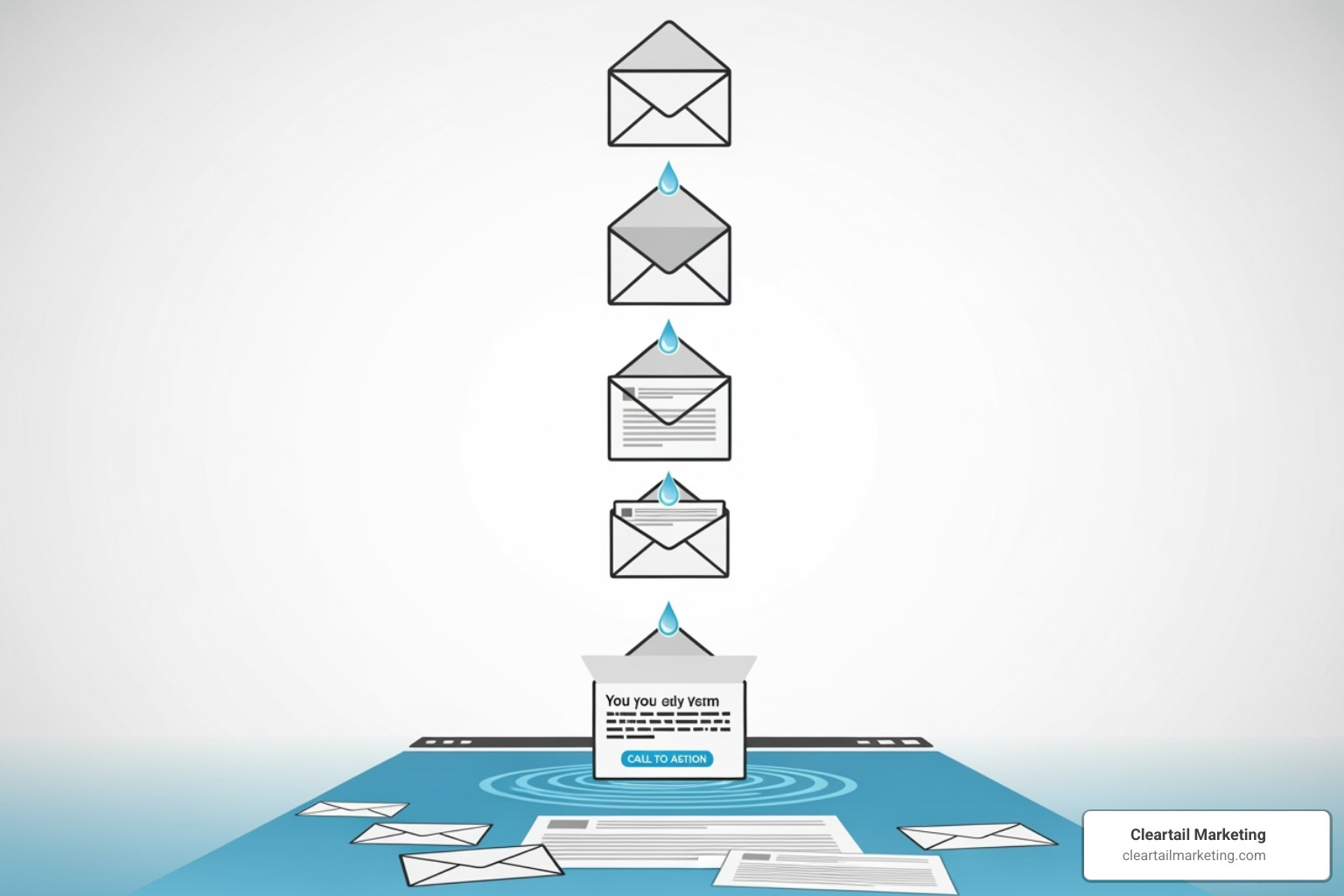
With almost 70 percent of carts abandoned, these emails are essential for e-commerce. The good news is that they see open rates above 40%, nearly double the average.
Graza keeps its approach simple and effective. Their emails display the forgotten items and offer incentives like free shipping—a gentle nudge back to checkout without pressure.
The standout performer is To’ak Chocolate. Their multi-message series included shipping details, reviews, and pairing suggestions. The results were staggering: a 43.9% open rate, 44% conversion rate, and revenue-per-email that was 2,195% higher than their promotional campaigns.
The takeaway is to use gentle reminders, address common objections like shipping costs, and strategically use incentives to recover lost sales.
3. The Re-Engagement (Win-Back) Series: Rekindling the Flame
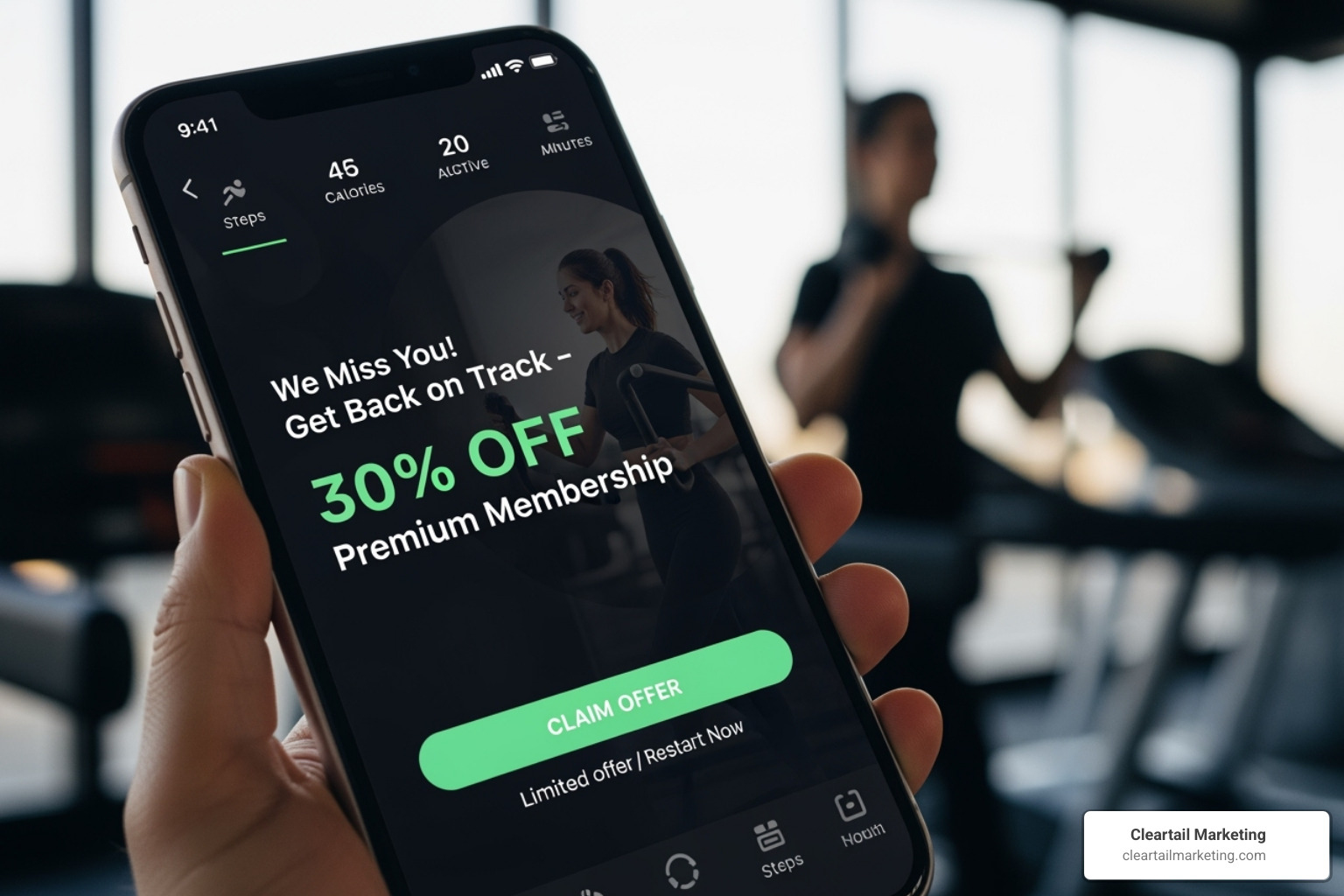
It’s cheaper to retain a customer than acquire a new one—the probability of selling to an existing customer is 60-70%. Re-engagement campaigns win back inactive subscribers.
ClassPass excels by showcasing what users are missing. Their emails highlight new classes and include special pricing to entice former members back, creating a sense of FOMO (fear of missing out).
Kerrits proves this can be highly profitable. Their reactivation emails deliver $2.86 revenue-per-email, a 676% increase over regular promotions. They combine smart incentives with new product highlights to bring dormant customers back.
The secret is to acknowledge the silence, remind subscribers of your value, and offer a compelling reason to return.
4. The Product Recommendation Series: Personalized Upsells & Cross-sells
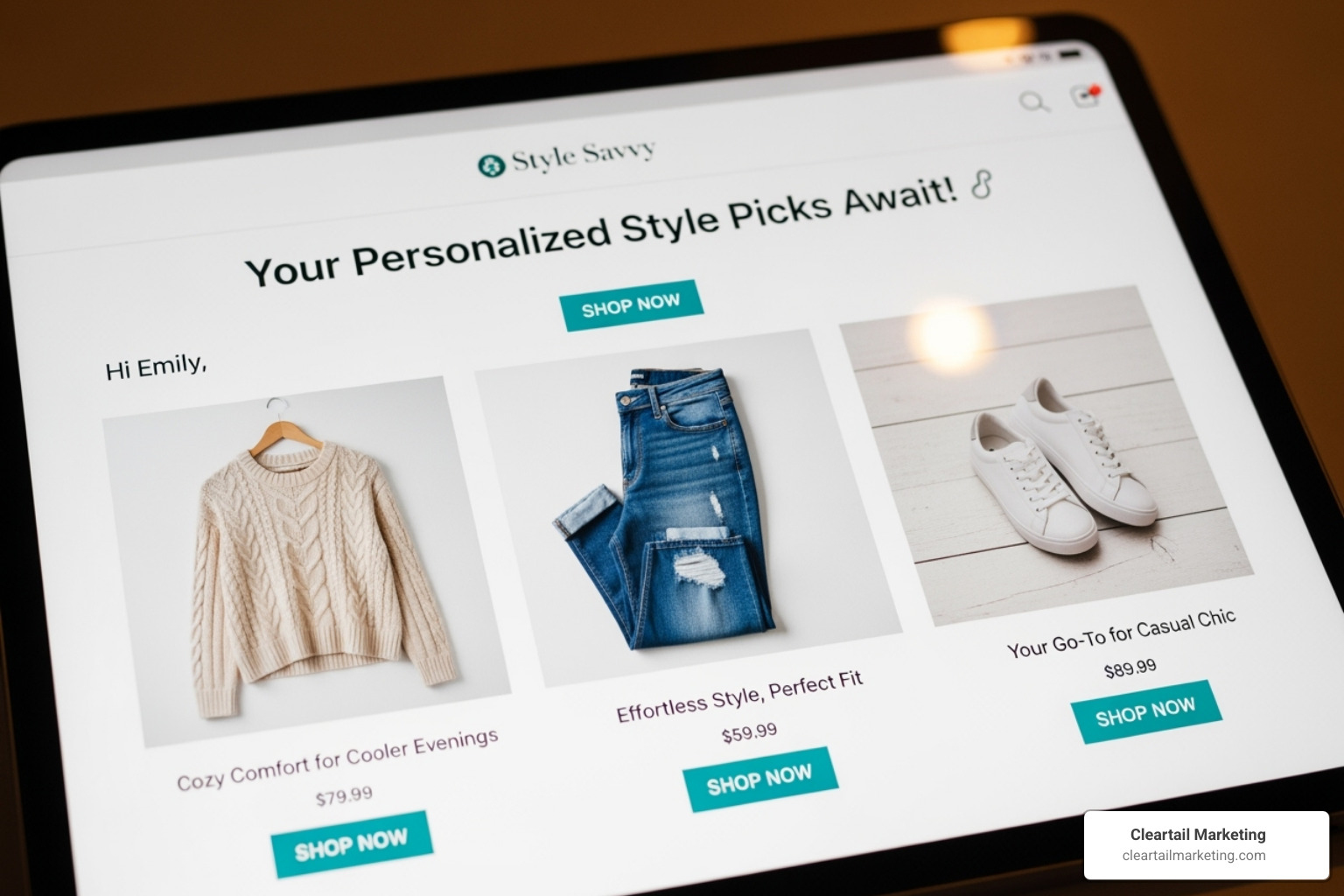
Personalized recommendations capitalize on existing trust to increase order value. In fact, nine in ten consumers are more likely to buy from brands that provide personalized experiences.
Knix excels at this by recommending complementary products based on past purchases. If a customer bought a bra, Knix suggests matching items with social proof from customer reviews, making it feel like helpful styling advice.
Dollar Shave Club has mastered the art of the cross-sell. After an order, they summarize the purchase and then recommend additional items that improve the experience, like shaving cream to go with new razors. The focus is on customer benefit, not just sales.
The magic happens when recommendations feel helpful, not pushy. Use customer data to suggest products that genuinely improve their experience.
5. The Onboarding Series: Guiding New Users to Success
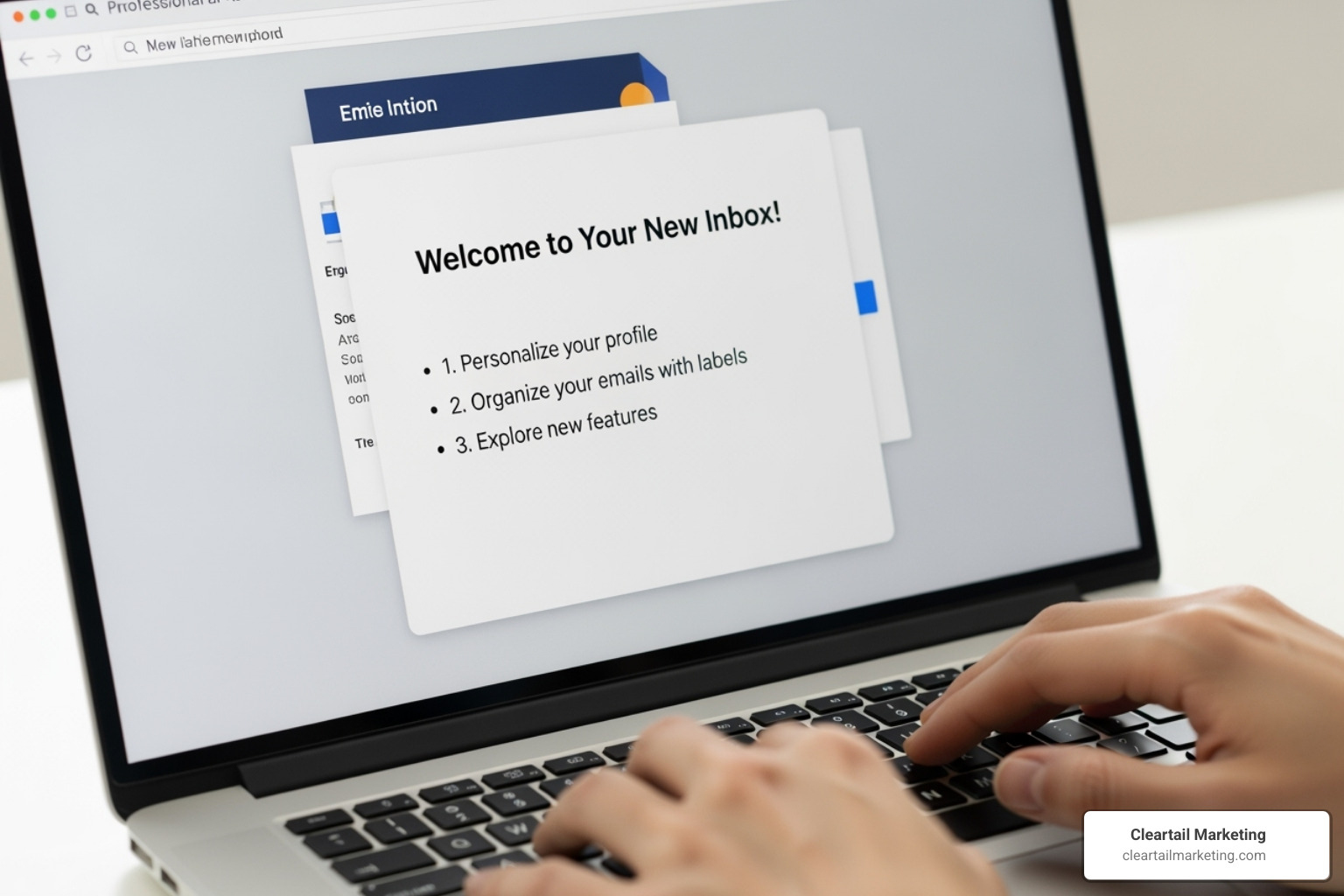
For SaaS or service-based businesses, onboarding emails are critical for educating new users and improving retention.
Zendesk provides an onboarding masterclass. Their sequence guides users from account creation to handling support tickets, even including personalized follow-ups from company reps to add a human touch.
Rob Walling, founder of Drip, created a brilliant 5-day email mini-course for his HitTail SEO tool. This educational series taught users how to do manually what the software automates. By showing the time-consuming manual process, he perfectly highlighted the software’s value, leading to double-digit increases in trial conversions.
The best onboarding campaigns provide step-by-step guidance and help users achieve quick wins. For more on this, see our guide to B2B drip campaigns.
6. The Post-Purchase Follow-Up: Building Loyalty and Gathering Feedback
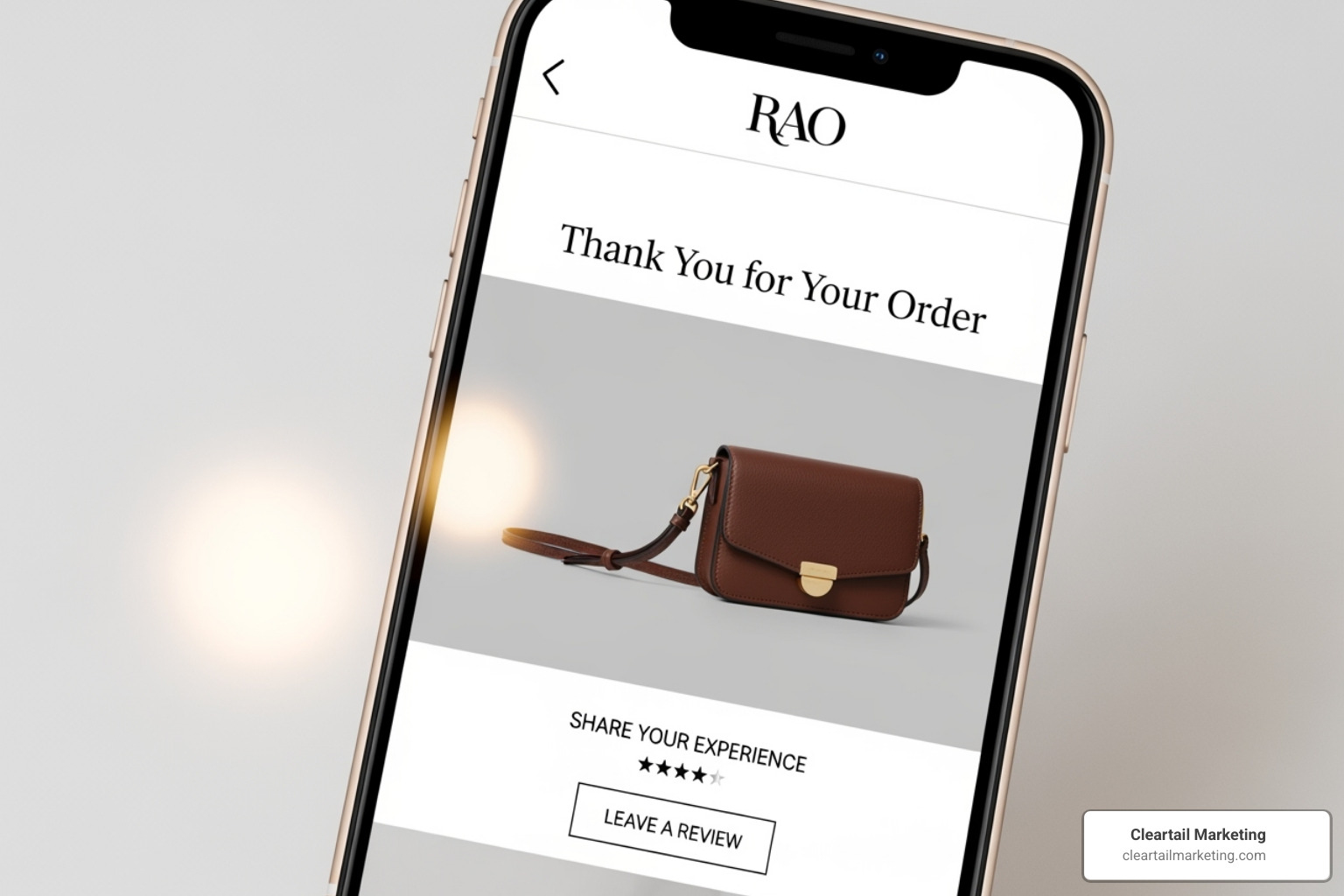
The sale isn’t the end of the journey; it’s the beginning. Post-purchase follow-ups build loyalty, gather feedback, and encourage repeat business.
Bellroy takes a thoughtful approach by waiting 30 days before requesting feedback. This gives customers time to actually use the product, leading to more authentic reviews that provide valuable social proof.
Perhaps the most famous example comes from Derek Sivers of CD Baby. His shipping notification email went viral by changing a boring transaction into a delightful experience. He described CDs being handled with sterilized gloves and placed on satin pillows, making customers feel incredibly special. It proved that even mundane emails can be powerful brand-building tools.
The lesson is to view every post-purchase touchpoint as an opportunity to delight customers and strengthen brand loyalty.
How to Create a Successful Drip Campaign: Best Practices & Measurement
Now that you’re inspired by these drip email examples, let’s cover how to build your own successful campaigns. It’s a mix of smart strategy, careful execution, and continuous testing.
Essential Components and Best Practices
Effective drip campaigns are built on a solid foundation. Here are the core components:
- Audience Segmentation: Divide your list into targeted groups based on demographics, purchase history, or behavior. A customer who browsed winter coats needs a different message than one who looked at summer dresses.
- Personalization: Go beyond the first name. Tailor content to specific needs. 90 percent of leading marketers agree that personalization significantly contributes to business profitability.
- Compelling Subject Lines: Your subject line is your first impression. Aim for clarity and curiosity. Lines with 28-50 characters often perform best.
- Clear Call-to-Action (CTA): Guide recipients with an obvious next step. Place your CTA “above the fold” and make it action-oriented.
- Mobile-First Design: With nearly half of emails opened on mobile, use clean layouts, large fonts, and clickable buttons.
- A/B Testing: Continuously test elements like subject lines, copy, and timing to find what resonates with your audience and maximize results.
For deeper insights, check out our guide on drip campaign best practices.
Avoid common pitfalls like poor segmentation, wrong timing, having no clear goal, over-selling without providing value, and ignoring metrics.
Measuring Success: Key Metrics and ROI
Track key metrics to know if your campaigns are working. Open rates reflect subject line effectiveness, while click-through rates (CTR) measure content engagement. Conversion rates are the ultimate success measure—the percentage of users who complete a desired action. Also monitor unsubscribe rates and bounce rates for list health.
Email ROI shows the revenue generated for every dollar spent. Email marketing delivers an average return of $36 for every $1 spent, making it one of the most cost-effective channels available.
For broader insights, explore our guide on email marketing best practices.
The Role of Automation and Tools
Marketing automation platforms are the engines behind drip campaigns. They use trigger-based sending for actions, scheduled delivery for timing, and enable personalization at scale. This saves time while maintaining the personal touch that makes drip campaigns effective. Popular platforms include Klaviyo, Mailchimp, and Drip.
At Cleartail Marketing, we help clients select and implement the best tools for their needs, ensuring their drip email examples translate into effective campaigns that drive real business results.
Frequently Asked Questions about Drip Campaigns
When setting up drip email examples, a few key questions always come up. Here are the answers to the most common ones.
How many emails should be in a drip campaign?
There’s no single magic number; it depends on the campaign’s goal. However, here are some common best practices:
- Welcome Series: 3-5 emails over a week to introduce your brand without overwhelming subscribers.
- Abandoned Cart: 2-3 emails sent quickly, within 24-72 hours, to recover the sale while it’s top-of-mind.
- Lead Nurturing: Can be longer, from four to eleven emails, spaced out over weeks or months depending on the sales cycle.
The key is to start with a baseline, monitor engagement metrics, and adjust based on audience response.
How do you segment an audience for a drip campaign?
Effective segmentation makes emails feel personal and relevant. We segment audiences based on several factors:
- User Actions: Triggers like signing up for a newsletter or downloading a guide.
- Purchase History: To recommend complementary products or send targeted offers.
- Website Behavior: To tailor content based on pages viewed or time spent on site.
- Demographics: For B2B, this can include industry or job title.
- Engagement Level: To separate active subscribers from inactive ones who may need a re-engagement campaign.
What makes a good drip email example?
The best drip email examples share these core qualities:
- Relevance: The message connects directly to the user’s recent action or current stage in their journey.
- Timeliness: The email arrives exactly when it’s most needed and expected.
- Personalization: The content is custom to the recipient’s known preferences and behavior.
- Clear Value: It immediately answers the user’s question: “What’s in it for me?”
- Strong Call-to-Action (CTA): The next step is obvious, compelling, and easy to take.
- Engaging Copy & Design: The email reflects your brand’s personality and is easy to read, especially on mobile.
Turn Inspiration into Action with Expert Email Marketing
These powerful drip email examples show how automated, personalized sequences drive real business results. They consistently outperform generic emails by delivering the right message at the right time.
The key takeaways are clear: personalization is essential for cutting through inbox clutter, and automation is your secret weapon for nurturing leads 24/7. The most successful campaigns feel like they were crafted for each individual recipient.
Our advice? Start small and focus on excellence. Don’t try to launch six campaigns at once. Pick one that addresses your biggest business challenge—like an abandoned cart sequence to recover sales or a welcome series to engage new subscribers—and perfect it. The data you gather will provide a clear roadmap for improvement.
At Cleartail Marketing, we’ve helped businesses across the United States and Canada implement strategic drip sequences that dramatically improve engagement and revenue. We understand that every business is unique.
Your next step is to turn this inspiration into action. Choose one campaign type, commit to doing it well, and start building your own success story.
Ready to transform your email marketing? Get started with our proven drip campaign strategies and let’s turn these examples into results.
