



What It Means to Classified Advertise (And Why It Still Works)
Classified advertise refers to the practice of placing a small, text-based ad in a dedicated section of a publication — grouped by category alongside similar ads.
Here is a quick breakdown:
- What it is: A short ad placed under a specific category (like “Jobs,” “For Sale,” or “Real Estate”) in a print or online publication
- Who uses it: Individuals, small businesses, and large organizations
- Where it runs: Newspapers, online platforms, newsletters, and association websites
- Why it works: Low cost, easy to create, and targets people already looking in that category
- Common categories: Employment, housing, vehicles, services, pets, legal notices, and garage sales
Classified ads have been around since 1763, when they were known simply as “want ads.” Back then, they ran in newspapers and were charged by the line or word. Today, they live on platforms like Craigslist, local news websites, and even email newsletters — reaching millions of people at a fraction of the cost of display advertising.
The digital classifieds market generated roughly $21 billion in worldwide revenue in 2022. That is not a format that is dying — it is one that has transformed.
I’m Magee Clegg, founder and CEO of Cleartail Marketing, and I’ve helped 90+ businesses use cost-effective strategies — including classified advertise tactics — to drive measurable growth since 2014. In this guide, I’ll walk you through everything you need to know to use classified advertising effectively.
Basic classified advertise glossary:
Understanding the Power of a Classified Advertise Strategy
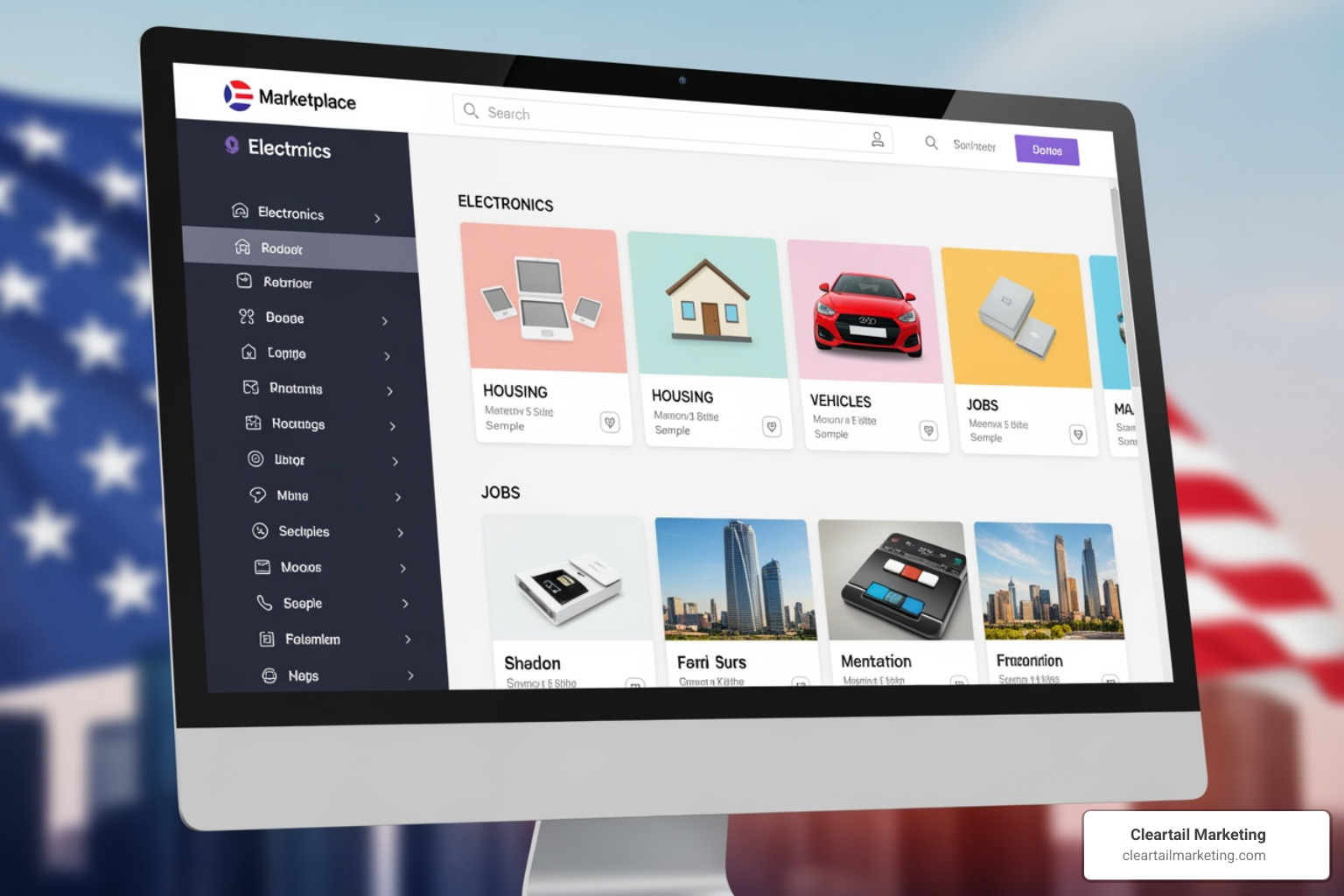
When we talk about the power of a classified advertise strategy, we are talking about the power of organization. The word “classified” literally comes from the fact that these ads are grouped into classes or categories. If you are looking for a used ukulele, you don’t want to hunt through a 50-page newspaper; you want to go straight to “Musical Instruments.”
In Britain, these are often affectionately called small ads because of their concise, text-heavy nature. Unlike display ads, which use large graphics and occupy prime real estate on a page to grab your attention while you’re doing something else, classifieds are for people who are already on the hunt.
| Feature | Classified Advertising | Display Advertising |
|---|---|---|
| Primary Goal | Direct sales or specific inquiries | Brand awareness and attention |
| Format | Mostly text, categorized | Visuals, logos, and creative design |
| Placement | Dedicated “Classifieds” section | Spread throughout the publication |
| Pricing | Per word, line, or flat fee | Based on size (column inches) or CPM |
| Audience | Active seekers | Passive browsers |
The Evolution from Print to Online Platforms
The shift from ink-on-paper to pixels-on-screens changed everything for the classified advertise market. Historically, newspapers relied heavily on classifieds for revenue. However, by 2007, a massive shift occurred: newspaper classified revenue dropped by 14% to 20% in a single year, while online traffic to classified sites surged by 23%.
Platforms like Craigslist changed the game by offering free or very low-cost listings. Today, digital classifieds allow for features print could never provide:
- Searchability: Users can filter by zip code, price range, or keywords.
- Unlimited Length: You aren’t restricted to three lines of text anymore.
- Rich Media: Most online platforms allow you to upload multiple high-resolution photos and even videos.
- Instant Updates: You can edit your ad or pull it down the second the item sells.
If you are looking for places to start, we have compiled a list of free classified websites that can help you get your message out without breaking the bank.
Why Businesses Choose to Classified Advertise Locally
For a local plumber, a boutique real estate agency, or a small pet shop, national TV spots are overkill. Choosing to classified advertise locally offers several distinct advantages:
- Extreme Targeting: You are reaching people in your specific city or neighborhood.
- Affordability: You can run an ad for weeks for the price of a single lunch.
- High Intent: People reading the “Help Wanted” section are actually looking for jobs.
- Trust: Local community papers or regional sites often carry a level of “neighborhood trust” that giant social media platforms lack.
To find the best fit for your business, check out our guide to classified ad posting sites to see which platforms align with your local goals.
Main Types and Categories of Classified Ads
Classifieds aren’t just for selling old sofas. They cover a massive range of human needs and business transactions. According to the Advertising Age Encyclopedia of Advertising, the categorization of these ads is what makes them a “vertical market” powerhouse.
- Employment & Recruitment: One of the most profitable sectors. Businesses use these to find local talent quickly.
- Housing & Real Estate: Whether it’s an apartment for rent or a commercial office space, real estate ad posting remains a cornerstone of the industry.
- Automotive: Cars, trucks, motorcycles, and even heavy farm equipment.
- Services: Everything from web design and legal advice to house cleaning and landscaping.
- Legal & Public Notices: Many jurisdictions require certain legal events (like name changes or estate settlements) to be published in a local classified section.
- Personal Announcements: Tributes, obituaries, and “In Memoriam” notices help communities stay connected during life’s major transitions.
Specialized Niche Markets and Aggregators
We are seeing a rise in “vertical” classifieds. Instead of one site for everything, we now have specialized sites just for used medical equipment, vintage guitars, or even specific breeds of livestock.
Aggregators have also simplified the process by crawling various blogs and RSS feeds to compile thousands of listings into one searchable database. This gives advertisers a global reach while maintaining the simplicity of the classified format. For a deeper dive into how these modern systems work, see our complete guide to free classified advertisements.
How to Write a Compelling Classified Ad
Writing a classified ad is like writing poetry: every single word has to earn its keep. Since you often pay by the word or have limited space, you need to be punchy and persuasive.
According to 10 Tips for Unleashing the Power of Classified Ads, the secret lies in the structure:
- The Headline: This is your hook. It should state exactly what you are offering (e.g., “2018 Toyota Camry – Mint Condition”).
- The Sales Message: Focus on the biggest benefit. Why should they call you instead of the person in the next ad?
- The Details: Include the essentials—price, location, and condition.
- The Call to Action (CTA): Tell them what to do next. “Call now,” “Email for photos,” or “Visit our website.”
If you’re feeling overwhelmed, don’t worry. We’ve broken it down into how to post classified ads in 7 easy steps to ensure you don’t miss a single detail.
Essential Elements to Classified Advertise Successfully
To truly succeed when you classified advertise, you need to think like a marketer.
- Track Your Results: We always recommend using a tool like bit.ly for click tracking. This allows you to see exactly how many people clicked your link from a specific ad.
- Be Reachable: If you put a phone number in your ad, make sure someone is there to answer it!
- Proofread: A typo in a “Professional Editing Service” ad is a disaster.
- Follow the Classics: Even in the digital age, the principles in William Cohen’s Building a Mail Order Business apply: focus on the customer’s needs and provide a clear path to purchase.
Pricing Models and Revenue Generation
The way we pay to classified advertise varies wildly depending on the platform.
- Traditional Newspaper Model: Often $25 for the first 30 words, with a small fee (like 25 cents) for every word after that. Some offer “3rd week free” deals if you book for two weeks.
- Newsletter Model: Newsletters like AF WKLY might charge $155 for a short ad (150 characters) or $185 for a long ad (300 characters).
- Association Model: Many professional associations use classifieds to generate “non-dues revenue.” They might charge $50 to $200 per job posting. You can learn more about this in our association ad posting guide.
Many platforms now offer Premium Placements. For an extra fee, you can “pin” your ad to the top of the category, add a bold title, or include a colorful border to make it stand out from the sea of plain text.
Future Trends in the Classified Market
What’s next for classified advertise? We see three major shifts:
- Mobile-First Design: More people are browsing for cars and apartments on their phones during their commute than on desktop computers.
- AI Moderation: To combat scams and prohibited items (like the illegal sale of firearms using code words), platforms are using AI to scan and flag suspicious listings.
- Direct E-commerce Integration: Instead of just “Email for price,” more classified sites are allowing users to pay directly through the platform, turning classifieds into a true peer-to-peer marketplace.
For those building their own platforms, our classified advertising website guide covers the technical side of these emerging trends.
Frequently Asked Questions about Classified Advertising
What is the difference between classified and display ads?
Classified ads are small, text-based, and grouped by category (like a “Wanted” section). Display ads are larger, graphical, and placed throughout a publication to catch the reader’s eye regardless of what they are looking for. Classifieds are generally much cheaper and better for direct-response needs.
Are online classified ads free?
Many platforms, like Craigslist or Facebook Marketplace, offer free listings for individuals. However, businesses often pay a small fee for recruitment ads or high-volume postings. Many sites also offer a “freemium” model where the basic ad is free, but you pay to “boost” it or add more photos.
Which industries benefit most from classifieds?
Real estate, automotive, and recruitment (HR) are the “Big Three.” However, local service providers like contractors, cleaners, and tutors also see a massive return on investment because the ads are so affordable and geographically targeted.
Conclusion
The world of classified advertise has come a long way since the “want ads” of the 18th century. While the medium has shifted from newsprint to smartphone screens, the core principle remains the same: connecting people who have something with people who need something.
Whether you are an individual selling a bike or a business looking for your next star employee, classifieds offer a simple, low-cost, and high-impact way to reach your goals. At Cleartail Marketing, we specialize in helping businesses navigate these digital transformations to find the best ROI for their marketing dollars.
Ready to get started? Start your classified ad posting journey today and see how a focused, local strategy can grow your business.
