


WHY EVERY BUSINESS NEEDS AUTOMATED EMAIL SEQUENCES
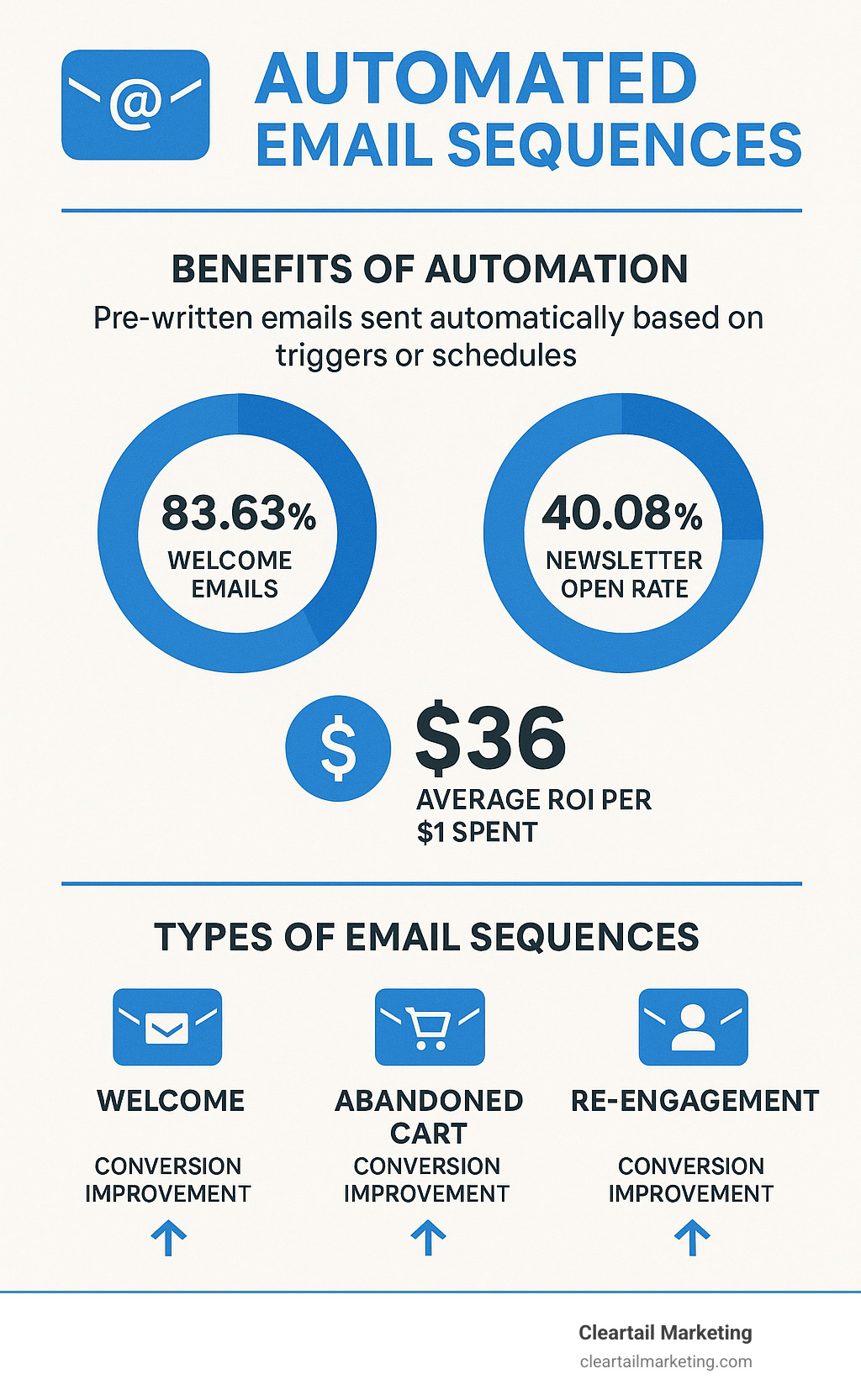
Automated email sequences are a series of pre-written emails sent to subscribers based on specific triggers. These powerful tools help businesses nurture leads, welcome new customers, and drive sales without manual effort. By being trigger-based, personalized, and scalable, they save time while delivering impressive results. Common types include welcome sequences, abandoned cart reminders, and re-engagement campaigns.
The numbers speak for themselves. Email marketing can deliver a $36 return for every $1 spent, and welcome emails alone achieve an impressive 83.63% open rate.
The true power of automated sequences is that they work while you sleep. They handle the heavy lifting of follow-ups, delivering the right message to the right person at the right time.
I’m Magee Clegg, founder and CEO of Cleartail Marketing. Over the past decade, I’ve helped numerous B2B companies implement automated email sequences that generate revenue and fill sales pipelines. In this guide, I’ll show you how to build sequences that turn prospects into customers and customers into advocates.
Quick look at Automated email sequences:
What Are Automated Email Sequences & Why Do They Matter?
Think of automated email sequences as your personal marketing assistant that never sleeps. They are a series of pre-written emails automatically sent to subscribers based on specific actions or triggers. Unlike one-size-fits-all newsletters, these sequences are smart, responsive, and adapt to customer behavior. They are designed to nurture leads, drive sales, and keep customers engaged without manual intervention.
The return on investment for email marketing can be as high as $36 for every $1 spent, largely due to the efficiency and scalability of automation. By delivering the right message at the right moment, you eliminate human error and ensure no lead falls through the cracks. For a deeper look at the broader impact of automation, see our marketing automation guide.
The Key Difference: Email Sequence vs. Drip Campaign
While often used interchangeably, “email sequence” and “drip campaign” have a key difference.
Automated email sequences are dynamic and respond to user behavior. If a user clicks a link, they might receive a different follow-up, creating a personalized, conversational experience.
Drip campaigns are static and time-based. Everyone receives the same emails in the same order, regardless of their actions.
| Feature | Automated Email Sequence | Drip Campaign | Newsletter |
|---|---|---|---|
| Trigger | User actions (signup, purchase, click) | Set schedule (every 3 days) | Manual broadcast |
| Content | Dynamic, adapts to behavior | Static, pre-written | Varied news and promotions |
| Purpose | Nurture and convert leads | Educate consistently | Share updates and content |
| Personalization | High behavioral targeting | Basic name insertion | General segmentation |
| Flow | Branching paths possible | Linear, fixed sequence | Single send |
Sequences feel more personal and drive better engagement. To learn more about traditional drip campaigns, see our guide on what are drip email campaigns.
The Core Benefits for Your Business
Automated email sequences offer significant benefits beyond just saving time.
- Time Savings: Marketing automation frees up your team to focus on strategy. In fact, 38 percent of professionals report better use of staff time as the biggest benefit.
- Consistent Lead Nurturing: Automatically guide leads through your sales funnel, building trust and keeping your brand top-of-mind.
- Customer Retention: Stay connected after the sale with automated touchpoints that foster loyalty. Re-engaging existing customers is five times cheaper than acquiring new ones.
- Revenue Increases: Drive purchases, upsells, and cross-sells with targeted messages at the right moments, maximizing customer lifetime value.
- Improved Personalization: Use behavioral data to make every email feel like it was written specifically for the subscriber, boosting engagement.
Building Your First Sequence: Key Components and Triggers
Creating your first automated email sequence is about understanding what your audience needs and when. A successful sequence is built on clear goals, compelling content, smart timing, and effective segmentation.

Combining these with proper audience segmentation is key. Understanding How to Segment Email Lists turns generic broadcasts into personalized conversations.
Key Components of a Successful Automated Email Sequence
Every effective sequence needs these core components working together:
- Clear Goal: What do you want to achieve? (e.g., welcome new subscribers, convert browsers into buyers).
- Specific Trigger: What action starts the sequence? (e.g., joining a list, visiting a product page).
- Logical Flow: Does each email build on the last, like chapters in a story?
- Compelling Content: Does every email provide genuine value to earn its place in the inbox?
- Strong Call-to-Action (CTA): Is it clear what you want the reader to do next?
- Exit Condition: When should a person stop receiving these emails? (e.g., after a purchase).
Common Triggers and How to Use Them
The right triggers make your email marketing responsive to individual behavior.
- Newsletter Signup: The perfect moment for a welcome sequence to set expectations and build a relationship.
- First Purchase: An ideal opportunity to confirm the order, provide usage tips, and build a positive customer relationship.
- Form Submission: When someone downloads a resource or requests a demo, nurture their interest with relevant follow-up content. Learn more in our guide on How to Use Contact Forms with Marketing Automation Software.
- Abandoned Cart: Gently remind shoppers what they left behind and address common concerns to recover the sale.
- Website Visit: Respond to browsing behavior. A visit to a pricing page might trigger a sales-oriented email, while blog visits could trigger educational content.
- Inactivity Period: Re-engage quiet subscribers with fresh content or special offers to prevent the relationship from fading.
Choosing the right triggers involves mapping your customer journey and identifying key moments where a helpful nudge can make a difference.
9 Essential Types of Automated Email Sequences (With Examples)
Different stages of the customer lifecycle benefit from distinct types of automated communication. Whether you’re in e-commerce, SaaS, or B2B, there’s a sequence designed to meet your needs.
These sequences are versatile and can be adapted to fit any business model. For more ideas, explore our Drip Campaign Ideas.
1. The Welcome Sequence
This is your brand’s digital handshake, sent immediately after a new subscription. It makes a positive first impression and sets expectations. Welcome emails have an average open rate of over 80%, making them incredibly powerful.
Example: For a brand like BodyBliss, a sequence could include a welcome message, an introduction to brand values, and a special first-time offer.
2. The Customer Onboarding Sequence
This sequence guides new customers through setup and product use, which is critical for software or complex services. It reduces frustration and improves retention by helping users find value faster.
Example: For a platform like Vimeo, emails could cover initial setup, tips for a first upload, and an introduction to advanced features.
3. The Abandoned Cart Sequence
This sequence recovers sales from shoppers who add items to their cart but don’t check out. With nearly 70% of shoppers abandoning carts, these emails are a major revenue opportunity.
Example: For a company like Le Puzz, a sequence could include a simple reminder, an offer of a small discount, and a final “last chance” message.
4. The Lead Nurturing Sequence
For prospects who aren’t ready to buy, this sequence builds trust and educates them over time, moving them down the sales funnel. This is especially critical for B2B businesses. Learn more in our guide on B2B Drip Campaigns.
5. The Re-engagement (Win-Back) Sequence
This sequence targets inactive subscribers to reignite their interest. It’s a cost-effective strategy, as re-engaging customers is five times cheaper than acquiring new ones.
Example: For a tool like Asana, emails could highlight new features, remind users of the core value, and offer a special discount to return.
6. The Upsell & Cross-Sell Sequence
After a purchase, this sequence recommends complementary products (cross-sell) or upgrades (upsell) to increase customer lifetime value (CLV).
Example: For a brand like Backdrop, an email could suggest paint accessories after a paint purchase.
7. The Feedback & Review Request Sequence
Sent after a customer receives their product, this sequence asks for a review or feedback. This provides valuable social proof and helps you improve your offerings.
Example: For a company like Casper, an email could ask “How’s your new mattress?” with a link to a review form.
8. The Subscription Renewal Sequence
Crucial for subscription-based businesses, this sequence reminds customers of upcoming renewals to prevent churn.
Example: For a service like Apple Music, reminders can be sent 30 days and 7 days before renewal.
9. The Event/Webinar Sequence
This sequence promotes an event, sends reminders to registrants, and follows up afterward to maximize attendance and engagement.
Example: A webinar sequence includes a confirmation, pre-event reminders, a “starting soon” link, and a post-event email with the recording.
Best Practices for Crafting and Optimizing Your Sequences
Creating powerful automated email sequences isn’t a “set it and forget it” task. The best results come from sequences that are personal, valuable, and continuously improved over time.
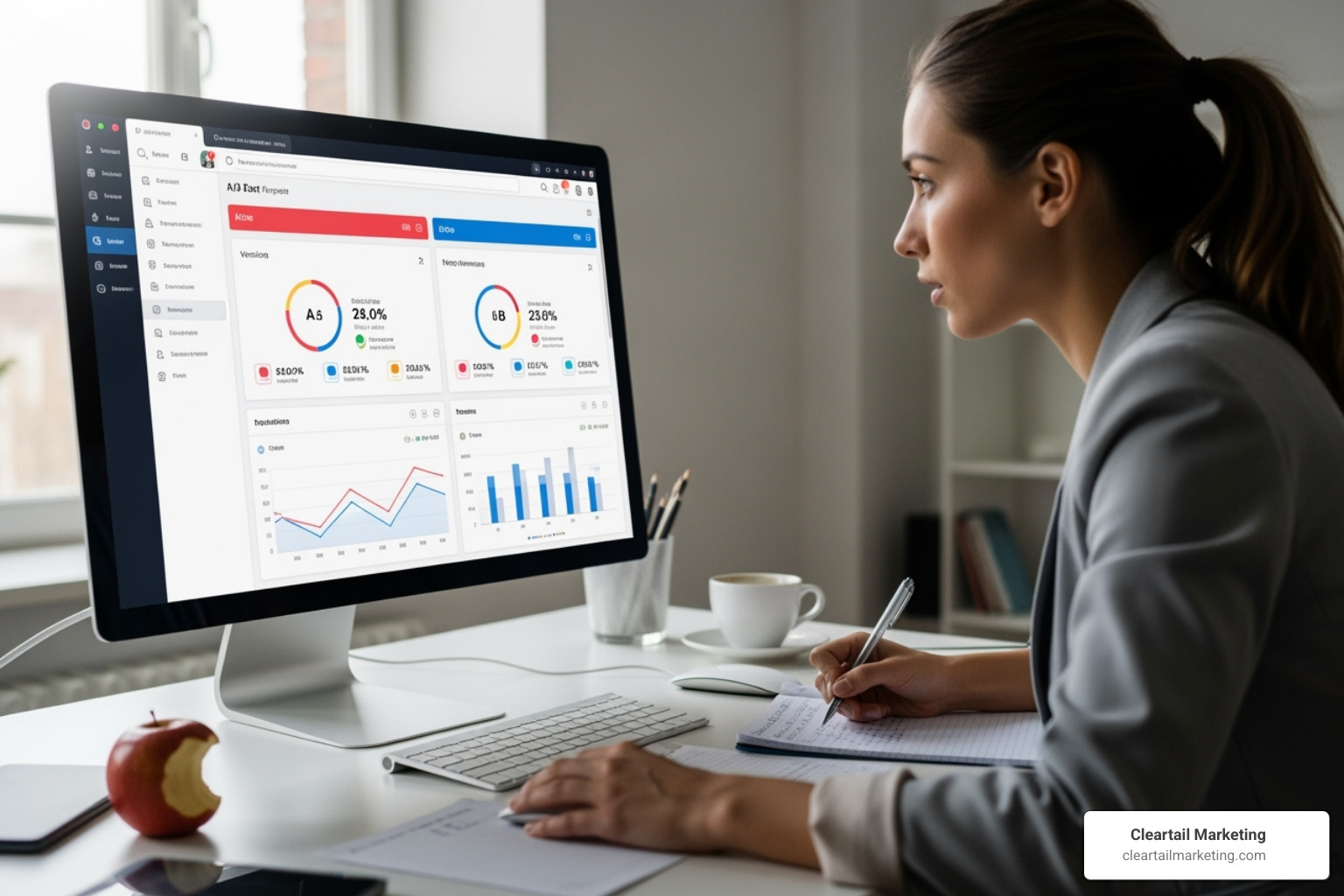
Great sequences depend on personalization, compelling content, and constant testing.
The Crucial Role of Personalization
Personalization is more than using a first name. Companies that use personalization in their marketing campaigns make 40% more revenue.
- Use Dynamic Content: Pull in specific details like product names from an abandoned cart or past purchases to make emails highly relevant.
- Leverage Behavioral Segmentation: Create different paths based on user actions. A subscriber who clicks every email might be ready for a sales pitch, while a less engaged user may need more nurturing.
Writing Compelling Content and Subject Lines
Your email won’t work if no one reads it. Follow these principles for engaging content:
- Be Clear and Conversational: Write like you’re talking to a friend. Use simple words and get to the point.
- Craft Benefit-Focused Subject Lines: Your subject line is your first impression. Make it specific and intriguing (e.g., “3 ways to cut your email marketing time in half”).
- Use Strong Action Words: Create a sense of momentum and urgency (e.g., “Grab your items before they’re gone”).
- Use Emojis Sparingly: When appropriate for your brand, emojis (✨, ��) can boost open rates.
For more guidance, check out our Email Copywriting Best Practices.
How to Effectively Test and Optimize Your Automated Email Sequences
The most successful sequences are constantly evolving based on data.
- A/B Test Everything: Test one variable at a time to see what works best. Start with subject lines, as they have the biggest impact on open rates.
- Optimize Your CTAs: Test different colors, text, and placement for your call-to-action buttons.
- Test Your Timing: Experiment with different delays between emails or send times. Our guide on When is the Best Time to Send a Marketing Email? can help.
- Regularly Review Performance: Look at your analytics to see where people drop off, which emails get the most engagement, and where conversions happen. Use these insights to guide your next test.
Measuring Success and Choosing the Right Tools
Once your automated email sequences are live, you need to measure what’s working. Without clear metrics, you’re just guessing. The most successful businesses track their numbers closely. For a comprehensive approach, dive into our Email Analytics Best Practices.
Key Metrics to Track
Each metric tells a part of the story about how your audience is responding.
- Open Rate: The percentage of people who opened your email. A low rate points to a weak subject line.
- Click-Through Rate (CTR): The percentage of openers who clicked a link. A low CTR suggests your content or offer isn’t compelling.
- Conversion Rate: The percentage of people who completed your desired action (e.g., made a purchase). This is the ultimate measure of success.
- Unsubscribe Rate: A sudden spike can indicate a problem with your content or frequency.
- List Growth Rate: A vital health check for your overall email marketing program.
- ROI (Return on Investment): How much revenue your sequences generate compared to their cost.
Considerations for Choosing an Automation Platform
Choosing the right email marketing platform is a critical decision. Here’s what to look for:
- Ease of Use: The platform should be intuitive, allowing you to build sequences without technical expertise.
- Automation Capabilities: Look for support for multi-step sequences, conditional logic, and behavioral triggers.
- Segmentation Options: The ability to segment your audience based on demographics, behavior, and purchase history is crucial for personalization.
- Reporting and Analytics: You need clear, actionable insights, not just pretty charts.
- CRM Integration: Your email platform should integrate seamlessly with your CRM for a unified customer view.
- Pricing: Understand the pricing model and how it will scale as your business grows.
At Cleartail Marketing, we help clients select the best tools for their specific needs. Explore different options in our guide to Email Marketing Solutions and Services. The key is to find a platform that can grow with you.
Frequently Asked Questions about Automated Email Sequences
Here are answers to the most common questions we hear about automated email sequences.
How many emails should be in a sequence?
The answer always depends on your goal. There’s no magic number.
- Welcome sequences: 3-5 emails over a week or two is usually effective.
- Abandoned cart sequences: 2-3 emails sent within a few days is best.
- Lead nurturing sequences: These can be much longer, with 8-12 emails or more over several weeks or months.
The golden rule is to avoid overwhelming subscribers. Prioritize value over volume.
Can I use automated sequences for cold outreach?
Yes, but it’s a different strategy often called a sales sequence. It requires a different approach than the marketing sequences discussed here. Cold outreach requires different tools (often integrated with a sales CRM), stricter compliance with regulations like CAN-SPAM, and a heavy focus on individual personalization. The goal is to start a conversation, not make an immediate sale.
How do I know if my sequence is working?
To measure effectiveness, follow this framework:
- Set a clear goal before you launch. What specific action do you want users to take?
- Track key metrics that align with that goal, especially open, click-through, and conversion rates.
- Compare to benchmarks to get perspective on your performance.
- A/B test continuously to improve. Test subject lines, content, CTAs, and timing.
Launching a sequence is just the beginning. The real success comes from ongoing refinement based on data.
Conclusion
Automated email sequences can transform your business into a proactive, always-on growth engine. They are your secret weapon for building genuine customer connections at scale, working tirelessly behind the scenes to welcome, nurture, and convert.
This powerful combination of efficiency and personalization allows you to deliver the right message to the right person at the right time, freeing you to focus on strategic growth. Your customers get timely, relevant communication, and you get measurable results.
Your first automated email sequence doesn’t need to be perfect—it just needs to begin. Start with a simple welcome sequence and expand as you gain confidence.
At Cleartail Marketing, we’ve helped countless businesses turn their email marketing into sophisticated, revenue-generating systems. We can guide you through every step, from strategy to optimization.
Ready to turn your email marketing into a strategic advantage? Learn more with our Best Practices for Drip Campaigns and find out how we can help you build email sequences that drive real business growth.
